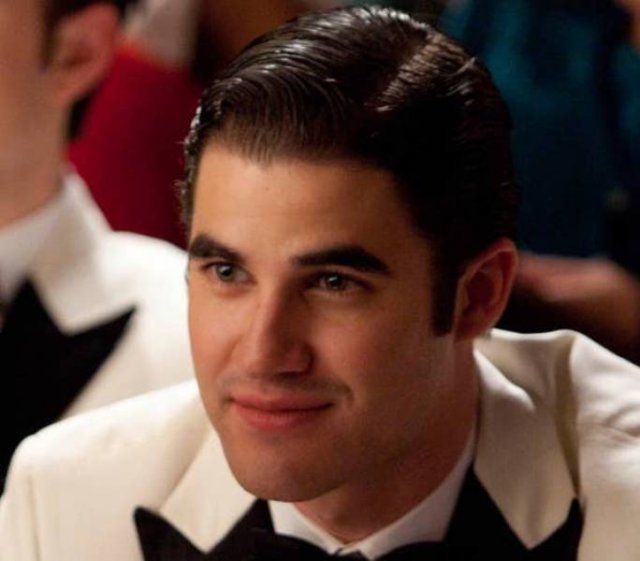
Take a moment to picture your favorite high school drama. Chances are, the lead "teenagers" you're envisioning are sporting perfectly clear complexions, chiseled jaws, and a worldly confidence that most real 16-year-olds haven't quite mastered. This isn't an accident. The prevalence of age discrepancies between actors and their teenage roles is a deeply entrenched practice in Hollywood, and while it solves some logistical headaches for producers, it silently sculpts unrealistic standards for young audiences.
It’s a familiar trope: a fresh-faced "high schooler" grappling with first loves, identity crises, and academic pressures, only to discover the actor playing them is well into their twenties, or even thirties. This casting choice has far-reaching implications, subtly shifting our perceptions of youth, beauty, and what it truly means to be a teenager.
At a glance:
- The Problem: Adult actors, often decades older, frequently portray teenage characters, leading to a distorted view of adolescence.
- Real-World Impact: This perpetuates unrealistic beauty and maturity standards for young audiences, potentially causing insecurity and body image issues. It can also over-sexualize high school relationships on screen.
- Why It Happens: Production challenges like strict child labor laws, schooling requirements for minors, higher insurance costs, faster aging of child actors, and the greater experience of adult actors drive these casting decisions.
- The Solution: Prioritize age-appropriate casting, encourage critical media literacy among young viewers, and foster an environment where teens feel comfortable in their own skin, independent of on-screen portrayals.
The Unseen Impact: How Older Actors Distort Teenage Reality
When a 28-year-old actor embodies a 16-year-old character, the gap isn't just a few years; it's a chasm that spans critical developmental stages. Think about it: the journey from 10 to 20 involves an explosion of physical, emotional, and psychological growth. A decade in that age range is profoundly different from a decade between, say, 50 and 60.
This practice has tangible, often harmful, consequences for the very audience these shows target: real teenagers. They’re watching protagonists who look nothing like them, navigating challenges with an adult's gravitas, and embodying a polished aesthetic that's practically unattainable for their age group.
The Beauty Standard Illusion
Perhaps the most glaring impact of these age discrepancies is the warped beauty standard it creates. Imagine a 15-year-old grappling with hormonal acne, braces, and the awkwardness of puberty. Then, they tune into a show like "Gossip Girl," "Pretty Little Liars," or "Riverdale," where the supposed 16-year-olds look more like 30-year-old professional models. They boast flawless skin, perfectly coiffed hair, and bodies that suggest years of rigorous adult fitness routines, not the unpredictable growth spurts of adolescence.
Consider the iconic Stacey Dash, who at 28, flawlessly played the 16-year-old Dionne Davenport in "Clueless." She looked incredible, but that incredible look was the product of a fully developed adult, not a high school student. This kind of casting sets an impossible benchmark. It tells young viewers, often implicitly, that their natural teenage appearance – complete with its imperfections – isn't "good enough."
Maturity and Relatability Gaps
Beyond aesthetics, older actors bring a different level of emotional maturity and life experience to their roles. While this might make for compelling drama, it can create a disconnect. Real teenagers are still figuring out who they are; their reactions to stress, love, and friendship are often raw, impulsive, and unrefined. When an actor with nearly a decade (or more) of adult life experience portrays these emotions, the performance, while skilled, can lack the genuine awkwardness or vulnerability inherent to adolescence.
This gap can lead young audiences to believe they should possess a similar level of sophisticated emotional intelligence or worldly perspective. It can make their own genuine struggles feel less valid or "dramatic" compared to the stylized versions presented on screen. You might wonder about other popular shows that blurred these age lines, for example, you can Learn Alexis Bledels Gilmore Girls age when she started playing Rory. The subtle and not-so-subtle shifts in age on screen consistently shape our perception of youth.
The Over-Sexualization of High School Romance
Another significant concern arising from casting older actors in teenage roles is the potential for over-sexualization. When adult actors, who are physically mature and often cast for their conventionally attractive, adult features, portray high school relationships, it can inadvertently push the boundaries of what's considered normal or appropriate for that age group.
The intimacy and romantic dynamics depicted between "teenage" characters on screen, when played by adults, can sometimes feel more aligned with adult relationships, rather than the typically more tentative and exploratory nature of actual high school romance. This can create a confusing and potentially harmful narrative for young viewers, blurring lines and setting premature expectations about sexual maturity and behavior in adolescence.
Behind the Scenes: Why Hollywood Prefers Older "Teens"
It's easy to point fingers at Hollywood for these discrepancies, but the truth is, the industry operates under a complex web of logistical and practical challenges. Producers aren't necessarily trying to mislead audiences; they're often trying to deliver a consistent, high-quality product while navigating strict regulations and the unpredictable nature of working with minors.
The Strictures of Child Labor Laws
One of the primary drivers behind casting older actors is the mosaic of child labor laws. These laws vary by state but generally impose stringent restrictions on the working hours of minors under 18. While adults can typically work 10-12 hour days common in film and TV production, minors are restricted to only a few hours of work, often capped at 9-10 hours total on set, including breaks and school time.
This means that to complete a full day's filming, producers would need to employ multiple child actors for a single role, significantly increasing costs and logistical complexity. Hiring an adult actor, even one playing younger, streamlines the production schedule and budget immensely.
Schooling Requirements and Insurance Costs
Minors, by law, are also required to receive education while on set. This means dedicated tutors and classroom hours must be provided, further eating into their limited working time and adding to production expenses. For a demanding lead role, this can become a major constraint.
Furthermore, insuring minors, especially for scenes involving stunts or more complex scenarios, can be considerably more expensive than insuring adult actors. The legal liability and welfare considerations for a child on a demanding set are higher, making adult hires a more straightforward option for production companies.
The Inevitable March of Time: Aging on Screen
Television series, in particular, often run for many seasons. Child actors, unlike their adult counterparts, age visibly and rapidly. A 13-year-old at the start of a series might look like a fully grown adult by season five, making it incredibly difficult to maintain the illusion of a character remaining in high school or at a consistent age.
Shirley Henderson's portrayal of Moaning Myrtle in "Harry Potter" stands out as an extreme example. She was 37 years old when she first played the ghostly Hogwarts student, making her the oldest actor to portray a student in the film series. This allowed the character to remain ageless across multiple films without concerns about the actor maturing beyond the role. Casting older actors preempts this problem, ensuring character age consistency over time.
Experience, Skill, and Psychological Well-being
Professional adult actors, typically those in their early 20s and beyond, often possess a more extensive acting background, refined skills, and a professional demeanor crucial for demanding roles. They can handle complex emotional scenes, memorize extensive dialogue, and hit marks with greater consistency than many younger, less experienced actors.
Moreover, placing very young actors in demanding leading roles can be psychologically taxing. The pressures of fame, long hours, and complex storylines can have a significant impact on mental health, as evidenced by the experiences of child stars like Macaulay Culkin, who started acting at age four. Casting older actors can be seen as a way to protect minors from such intense industry pressures, even if it introduces other issues.
Navigating the Narrative: A Path Towards Healthier Portrayals
Acknowledging why these age discrepancies exist is the first step, but it doesn't absolve the industry of its responsibility to young audiences. There are pathways to healthier portrayals that prioritize authenticity without completely compromising production realities.
Prioritizing Age-Appropriate Casting
The most direct solution is, naturally, to prioritize age-appropriate casting. While the logistical challenges are real, some shows demonstrate that it's not impossible. The original "Saved By The Bell" cast, for instance, were mostly teenagers themselves when the show began, contributing to a more genuine high school experience on screen.
This doesn't always mean casting 100% real teenagers for every role, but rather aiming for actors who are closer in age to their characters, perhaps within a 2-4 year gap, rather than a 10-15 year gap. Even a slight reduction in the age difference can make a significant impact on relatability and reduce the unrealistic idealization.
Fostering Media Literacy in Young Audiences
Beyond industry changes, empowering young audiences with media literacy is crucial. Educators, parents, and guardians have a vital role to play in helping teens understand that what they see on screen is a carefully constructed fantasy, not a mirror of reality.
Practical Steps for Parents & Educators:
- Open Dialogue: Talk about the shows teens are watching. Ask questions like, "Do you think real high schoolers look and act like that?" or "What do you notice about the actors playing these roles?"
- Point Out Discrepancies: Gently highlight when an actor is significantly older than their character. "Did you know that actor is actually 25, even though they're playing a 16-year-old?"
- Discuss Production Realities: Explain the reasons for casting older actors (child labor laws, etc.) to demystify the process and show it's not always about intentional deception.
- Emphasize Authenticity: Reinforce that real beauty and maturity come in all forms and at different stages. Help teens appreciate their own unique developmental journey and appearance.
- Challenge Unrealistic Ideals: Encourage critical thinking about beauty standards promoted on screen versus the diverse reality of human appearance.
By equipping young people with these critical tools, we can help them navigate the pervasive influence of media with greater discernment, allowing them to feel comfortable and confident in their own skin without succumbing to unattainable on-screen standards.
The Role of Content Creators and Industry Advocacy
Producers and creators also have a responsibility to consider the broader societal impact of their casting choices. While the bottom line is always a factor, prioritizing age-appropriate narratives and visuals can lead to more authentic storytelling and healthier audience engagement. Advocacy groups and industry watchdogs can also play a role in pushing for more realistic portrayals of adolescence, highlighting the long-term benefits of such changes.
For instance, shows that genuinely portray the diverse physical and emotional realities of being a teenager — hormonal shifts, skin issues, awkward phases, and all — often resonate deeply with audiences because they reflect lived experience. This authenticity, in turn, can build stronger connections and loyalty.
Common Questions About Age Discrepancies in Casting
You've probably wondered about some of these yourself. Let's tackle a few common questions head-on.
"Why don't they just cast real teenagers?"
As discussed, casting real teenagers presents significant logistical and financial hurdles for productions. Child labor laws restrict working hours, require on-set schooling, and increase insurance costs. The rapid physical aging of minors also complicates multi-season storytelling. While ideal for authenticity, these practicalities often push producers towards older actors who can work full adult schedules without legal complications.
"Does it really matter if an actor is a few years older?"
The "few years" often becomes a significant age gap, sometimes a decade or more, particularly between the crucial developmental ages of 10 and 20. This matters because it directly impacts young audiences' perceptions of normal physical appearance, emotional maturity, and the nature of relationships during adolescence. These subtle and overt distortions contribute to unrealistic expectations and potential insecurities.
"Are all shows bad for doing this?"
Not necessarily. Many shows cast older actors out of necessity, not malice. The issue isn't always the act itself, but the cumulative effect and the lack of counter-narratives. Some productions make a conscious effort to cast actors closer to their characters' ages, or they create content that explicitly addresses body image and self-acceptance. The "badness" lies more in the perpetuation of unrealistic standards without a balance or critical lens.
"How can I tell if an actor is much older than their character?"
Often, physical maturity is a giveaway. Look for actors who have very defined facial features, mature body proportions, or skin that appears consistently flawless without the typical blemishes or developmental stages common in adolescence. You can also simply do a quick online search for the actor's real age. The internet has made these "reveals" much easier!
Cultivating a Clearer Lens: Moving Forward
The age discrepancies between actors and their teenage roles are a nuanced issue, rooted in a blend of creative choices, industry logistics, and societal impact. While Hollywood continues to navigate these complexities, our role as informed viewers—and especially as mentors to younger generations—becomes critically important.
By understanding the "why" behind these casting decisions and, more importantly, the profound "how" they shape our perceptions, we can cultivate a clearer lens through which to view popular culture. Encourage critical thinking, champion authenticity, and remind the young people in your life that true beauty and maturity blossom at their own pace, far removed from the polished perfection of a television screen. Let's empower the next generation to celebrate their genuine selves, rather than chasing an age-defying illusion.